


Struggling to find that one plastic part for your classic car? Old stock is brittle and expensive.1 Custom reproduction is a viable path, but where do you even begin?
Classic car parts are replicated by reverse engineering an original sample.2 A custom factory 3D scans the part, selects a modern durable material, and creates a steel injection mold3. This allows for precise, repeatable production4 of parts that meet or exceed original specifications for fit and finish.
Reference: 3D scanning and reverse engineering overview - Wikipedia
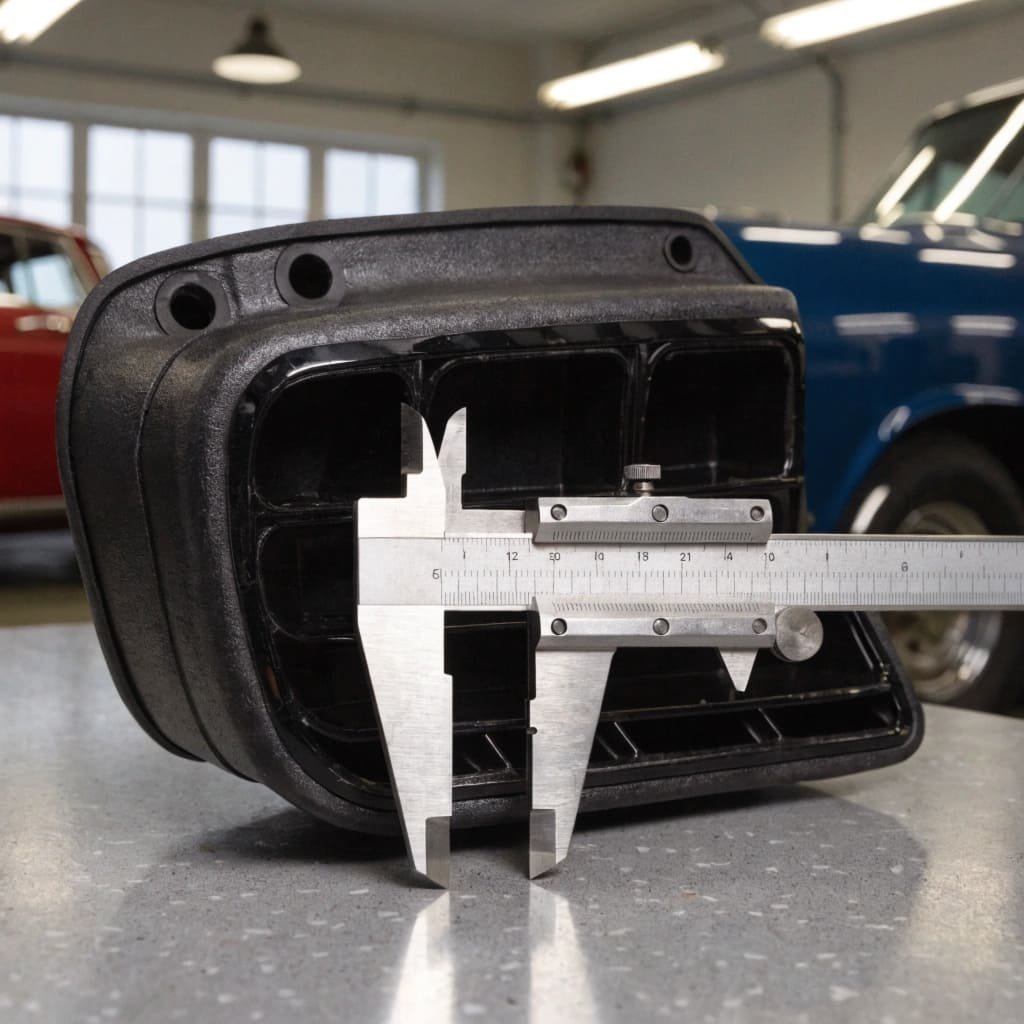
This might sound technical, but from my desk, it's a process I guide customers through daily. The most important step isn't finding a factory; it's understanding if your specific part is a good candidate for this process in the first place. Let's walk through the questions we ask to determine if custom reproduction is the right move for you.
What information does a factory actually need to replicate a part?
You send an email asking for a price and get a list of questions back. It's frustrating when you just want a number. Providing the right details first gets you a real answer.
Reference: Engineering communication and specification importance - MIT OpenCourseWare
To replicate a part, we need more than a photo. A physical sample is best for 3D scanning.5 We also need to know the original material, the color and texture, and where the part is used. This information ensures the new part fits and lasts long.
Reference: Accuracy of 3D scanning physical objects - NIST Research
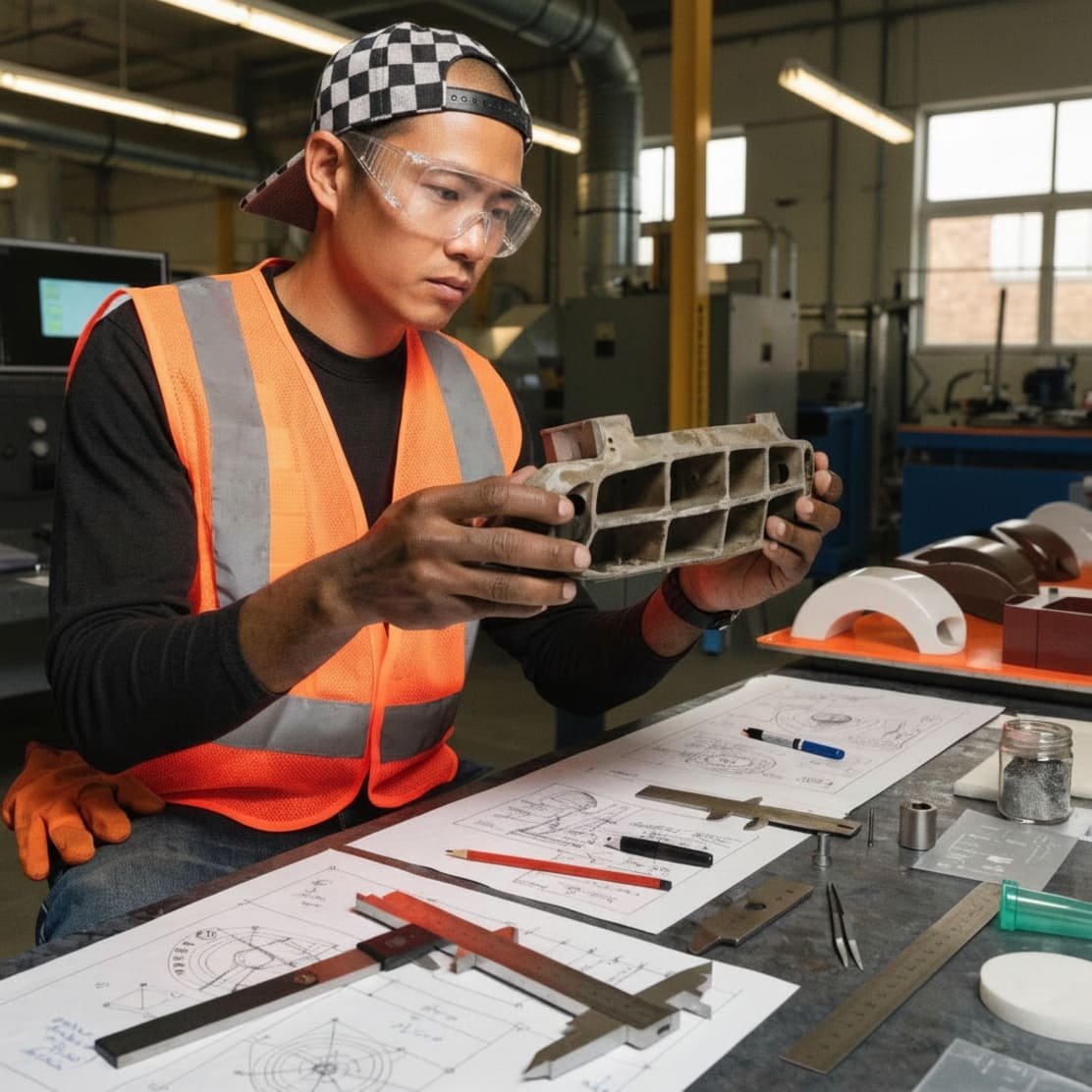
Key Information Checklist
- The Original Part: A physical sample is the gold standard.
- Photos and Measurements: Multi-angle photos with precise measurements are next best.
- Material & Environment: Information about original plastic type and environmental exposure.
- Required Quantity: Batch size determines cost-effectiveness.
Reference: Injection molding process and economics - Wikipedia
Is injection molding the right choice for every single part?
No, injection molding isn't always best. It's perfect for making many copies of a plastic part cheaply. For just one piece, 3D printing is often more practical.6
Reference: Additive manufacturing vs injection molding - ResearchGate
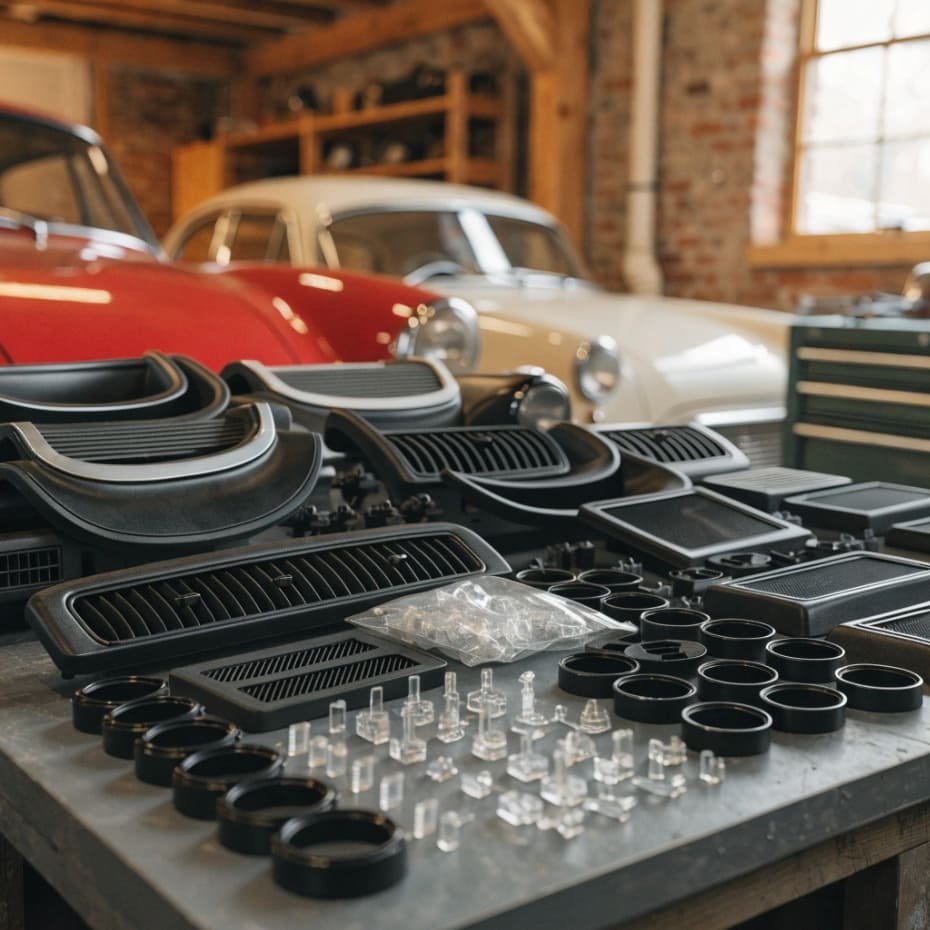
When to Choose Injection Molding
| Scenario | Why It's the Right Choice |
|---|---|
| Repeat Demand | Steady supply required |
| Material Strength | Requires durable automotive-grade plastic |
| High Precision | Must fit original components |
| Surface Finish | Specific texture or gloss matching original |
How can you tell if your part is a good candidate for reproduction?
A good candidate is a plastic part needed in quantities greater than a handful and should not be a critical safety component.
Reference: Safety-critical automotive parts guidelines - SAE International
Our Feasibility Checklist
- Complexity vs. Value: Complex molds may not be viable for low-value parts.
- Reverse Engineering Input: Requires a clean, intact sample.
- Material Performance: Dashboard parts need UV resistance; engine bay parts need heat tolerance.
Reference: Material selection in engineering plastics - Cambridge University - Safety and Compliance: Cosmetic vs. safety-critical components.
Conclusion
Replicating classic car parts is a partnership between you and the manufacturer. With the right information and a suitable part, custom production can bring your restoration project back to life.
A neutral materials or conservation source can substantiate plastic embrittlement over time; an automotive restoration or market source can support scarcity-driven cost. ↩
An engineering source can confirm that measuring/scanning an existing component to create CAD data is a recognized reproduction workflow. ↩
A manufacturing reference can explain that steel molds are commonly used for durable, repeatable injection molding production. ↩
A neutral manufacturing or metrology source can support the link between injection molding, dimensional control, and repeatable part production. ↩
A metrology or reverse-engineering source can show that physical samples provide direct geometry for scanning and CAD reconstruction. ↩
A research or university source can substantiate that additive manufacturing is often favored for prototypes or low-volume production because injection molding requires expensive tooling. ↩
Leave a Reply